Deciding what to do with the mountain of stuff you no longer want is one of the most practical challenges of any move. You have sorted through closets, emptied the garage, and now you are staring at a pile of furniture, clothing, electronics, and miscellaneous household goods that are not making the trip to your new address. Simply tossing everything into a dumpster wastes usable resources and can even incur fines in Boston, where the city enforces strict rules about bulk item disposal and mattress recycling. The smarter approach is to channel each category of unwanted items toward the disposal method that delivers the most value — whether that means cash in your pocket, a tax deduction, or at minimum an environmentally responsible end of life.
Selling high-value items is the obvious first step. Furniture, working electronics, brand-name clothing, sporting goods, and power tools consistently fetch good prices on Facebook Marketplace, OfferUp, and Craigslist in the Greater Boston market. A solid-wood dining table or a name-brand sectional sofa can sell within days at reasonable prices if you post clear photos and a fair asking price. For clothing, consider consignment shops like Second Time Around in Cambridge or Buffalo Exchange in Allston, which pay cash on the spot for items they accept. If you have collectibles, vintage items, or mid-century furniture, specialty resellers and antique dealers throughout the area may offer significantly more than a general marketplace listing would bring.
Items that do not sell or are not worth the effort to list individually should be donated. Greater Boston has an extensive network of charitable organizations that accept household goods, clothing, furniture, and appliances in good working condition. Goodwill and Salvation Army are the obvious choices, but smaller organizations often have a more direct community impact. Boomerangs, operated by AIDS Action Committee, has multiple Boston locations and accepts gently used clothing, housewares, and accessories. The Furniture Bank of Massachusetts in Waltham specifically furnishes homes for families transitioning out of homelessness and accepts donations of beds, dressers, tables, and chairs. Most of these organizations provide free pickup for large items if you schedule in advance, saving you the trouble of renting a truck yourself.
For items that are too worn for donation or resale — broken furniture, stained mattresses, outdated electronics, and general junk — responsible disposal is the goal. Boston residents can schedule free bulk item pickups through the city's Public Works department for items like couches, mattresses, and large appliances, though advance scheduling is required and volume limits apply. Electronics must be recycled through the city's designated e-waste programs to keep hazardous materials out of landfills. Staples and Best Buy accept old computers, printers, and cables for free recycling. For a large cleanout, licensed junk removal companies in the Boston area can haul everything in one trip, sort items for recycling versus landfill, and handle the heavy lifting so you do not have to.
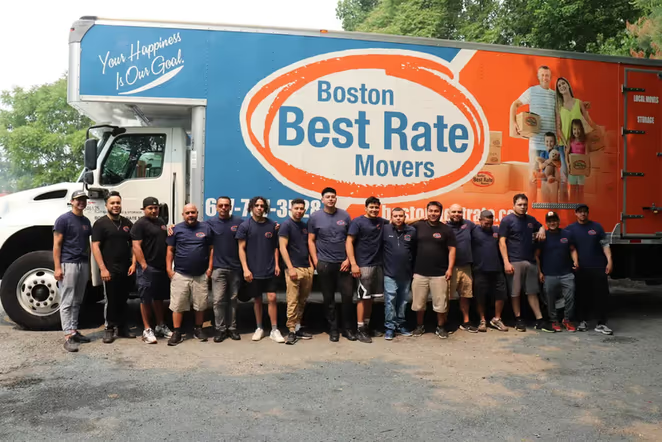
Planning your disposal timeline is just as important as the methods you choose. Start selling and donating four to six weeks before your move so you have time to arrange pickups, schedule consignment appointments, and allow marketplace listings to find buyers. Anything remaining one week before moving day should go to a junk removal service or the curb for city pickup. Boston Best Rate Movers can also coordinate light junk removal as part of your moving package — ask about this service when you book your move so our crew can factor the extra labor into the timeline. The cleaner your home is on moving day, the faster the load goes and the less you pay.

Michael Torres
The Boston Best Rate Movers team shares moving tips, Boston neighborhood guides, and cost-saving strategies drawn from 24+ years and 33,158+ completed moves across Greater Boston.
See All Posts