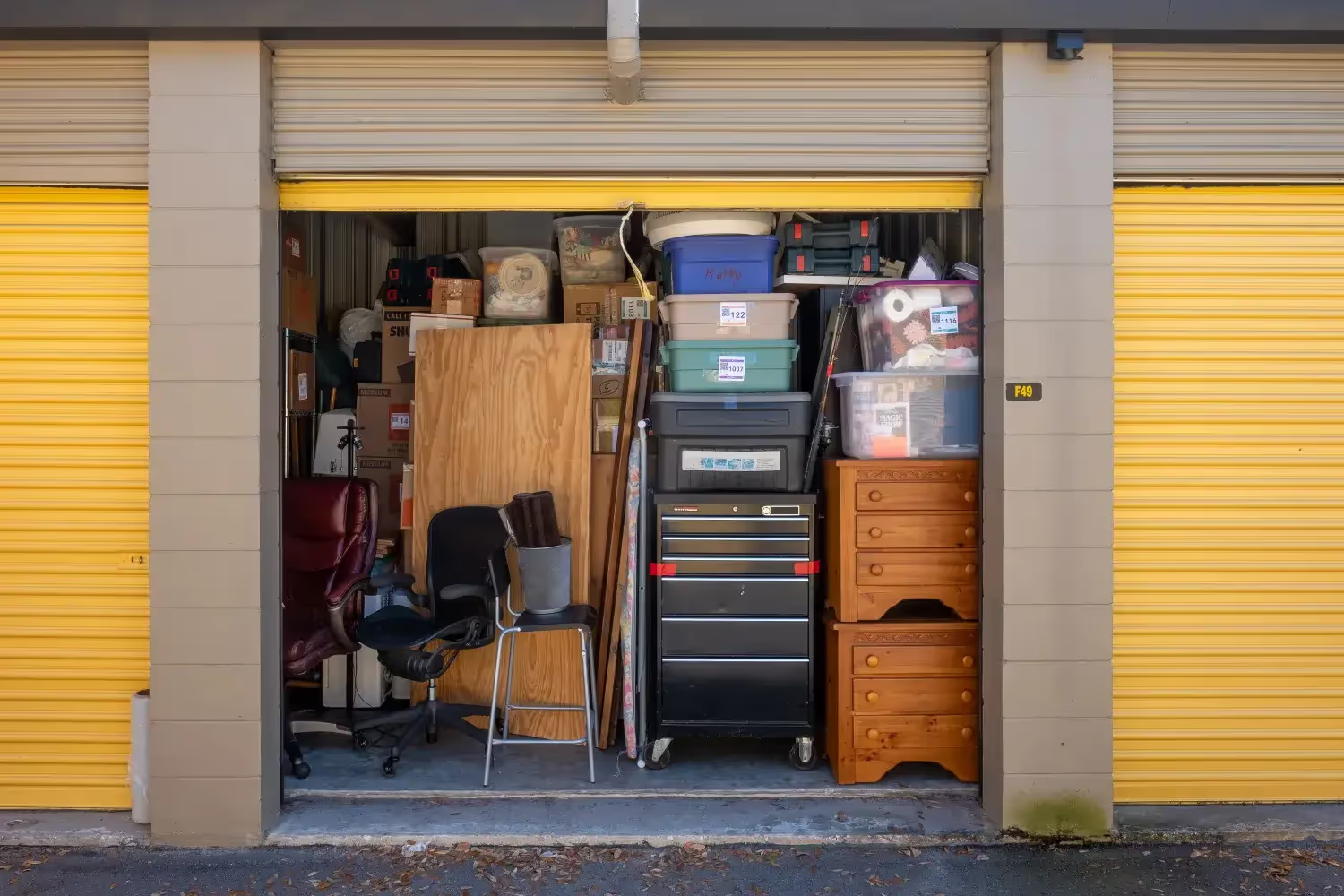
Most people understand that decluttering before a move is a good idea in theory, but few realize just how directly it impacts the bottom line. Moving companies typically charge based on three primary factors: the number of hours the crew works, the size of the truck required, and the volume of packing materials consumed. Every item you remove from the equation before moving day reduces all three of those cost drivers simultaneously. A single large piece of furniture — say an old entertainment center you have been meaning to replace — might take two movers fifteen minutes to wrap, carry downstairs, and load. Multiply that across a dozen unwanted items scattered throughout your home, and you are looking at one to two extra hours of labor that you are paying for with no benefit at the destination.
Let us break down the numbers with a realistic Boston-area example. Suppose you are moving a two-bedroom apartment in Somerville and the initial estimate calls for a 26-foot truck, a three-person crew, and roughly six hours of labor at $175 per hour. The total comes to $1,050 before materials. Now imagine you spend two weekends decluttering and remove 25 percent of your belongings through selling, donating, and discarding. That volume reduction could allow you to downsize to a 20-foot truck, saving $50 to $100 on the vehicle rental. The smaller load also means the crew finishes in closer to four and a half hours instead of six, saving another $262 in labor. Add another $50 to $75 in packing materials you did not need to buy, and your total savings approach $400 to $450 — all from effort that also made your new home more organized from day one.
Weight is another factor that people tend to overlook, especially for long-distance moves where pricing is based on the total weight of the shipment rather than hourly labor. A full set of encyclopedias you never open, a box of college textbooks from a decade ago, or a garage full of half-empty paint cans and old car parts can add hundreds of pounds to your shipment weight. At long-distance rates of roughly $0.50 to $0.70 per pound, that dead weight translates into $100 to $300 of unnecessary expense. Even for local moves, heavier loads take longer to carry up and down stairs, increase fuel costs, and put more wear on equipment — all of which factor into what you pay at the end of the day.
Beyond the direct financial savings, decluttering also reduces the hidden costs of moving that rarely show up on an invoice. Fewer boxes mean less time packing, which means fewer evenings spent wrapping dishes and labeling containers when you could be relaxing or handling other moving logistics. Fewer boxes at the destination mean faster unpacking and less time living out of cardboard in your new home. There is also the mental cost of clutter: studies consistently show that disorganized environments elevate cortisol levels and reduce productivity. Starting fresh in a new home with only the possessions you genuinely value sets a positive tone for the next chapter of your life.
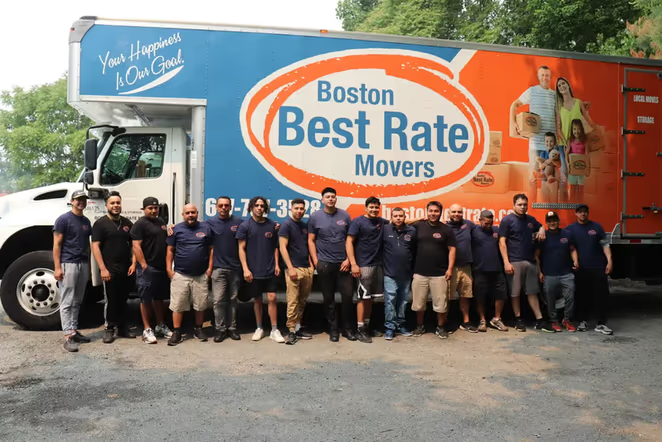
Boston Best Rate Movers recommends that every client complete a thorough declutter before scheduling their in-home estimate. When our estimator visits your home and sees only the items that are actually traveling, the quote we provide is tighter, more accurate, and lower than it would be if the estimate included belongings you planned to discard later. We have seen clients save anywhere from $200 to $800 depending on the size of their home and the intensity of their decluttering effort. If you need help figuring out where to start, our team can walk through your home during the estimate and point out common categories of items that most families choose to leave behind. It is one more way we help you move smarter, not just faster.

Michael Torres
The Boston Best Rate Movers team shares moving tips, Boston neighborhood guides, and cost-saving strategies drawn from 24+ years and 33,158+ completed moves across Greater Boston.
See All Posts