Summer is the most popular time to move in Boston, but it is also the most physically punishing. When temperatures climb into the 80s and 90s — occasionally touching triple digits during July and August heat waves — the combination of heavy lifting, constant stair climbing, and hours inside a sweltering truck cargo area pushes moving crews to their limits. Heat-related illness, dehydrated movers working at reduced efficiency, and belongings damaged by prolonged heat exposure are all real risks that turn a routine summer move into a costly ordeal. The good news is that nearly all of these problems can be prevented with proper preparation, smart scheduling, and a few simple strategies that protect both people and possessions.
Scheduling is your first line of defense against the heat. Request the earliest available start time — 7:00 or 8:00 a.m. if your building and neighborhood allow it — to capture the coolest hours of the day. Morning temperatures in Boston are typically 10 to 20 degrees lower than the afternoon peak, and crews working in cooler conditions move faster, make fewer mistakes, and sustain their energy longer. If your move is large enough to span most of the day, plan the heaviest lifting — sofas, appliances, dressers — for the morning hours when the crew is freshest and the heat is mildest. Save lighter items like boxes of clothing and linens for the warmer afternoon when the physical demands are lower.
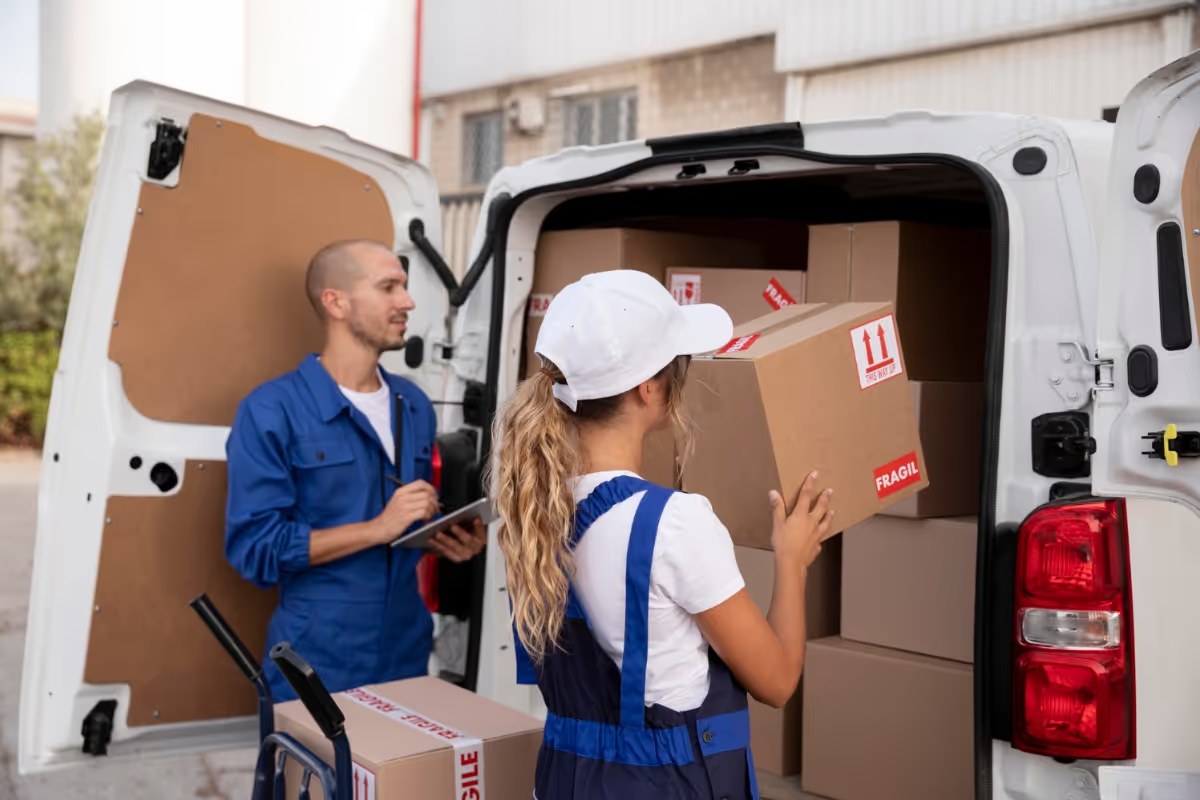
Hydration and crew care are not just considerate gestures — they directly affect the speed and quality of your move. A dehydrated mover is a slow mover, and a heat-exhausted mover is a liability. Stock a cooler with ice water, electrolyte drinks like Gatorade, and individually wrapped snacks. Set it up in a shaded area near the truck so the crew can grab drinks without taking a long detour. Consider having a box fan running in the hallway or entryway to improve air circulation in common areas where movers pass repeatedly with heavy loads. If your building has air conditioning, keep it running at full blast until the crew finishes loading — it keeps the indoor air cool for them and prevents heat from building up in rooms where packed boxes are staged.
Protect your heat-sensitive belongings by identifying them before packing day and planning their transport separately. Candles, chocolate, vinyl records, cosmetics, medications, houseplants, and anything with a wax or adhesive component can be damaged or destroyed by prolonged exposure to a truck interior that can exceed 130 degrees on a sunny day. Transport these items in your personal air-conditioned vehicle, or load them last and unload them first to minimize their time in the hot cargo area. Electronics are also vulnerable — extreme heat can degrade batteries, warp plastic components, and even damage solder connections on circuit boards. If you have expensive electronics, wrap them in insulated moving blankets and position them near the truck's doors rather than deep in the cargo space where heat accumulates most intensely.
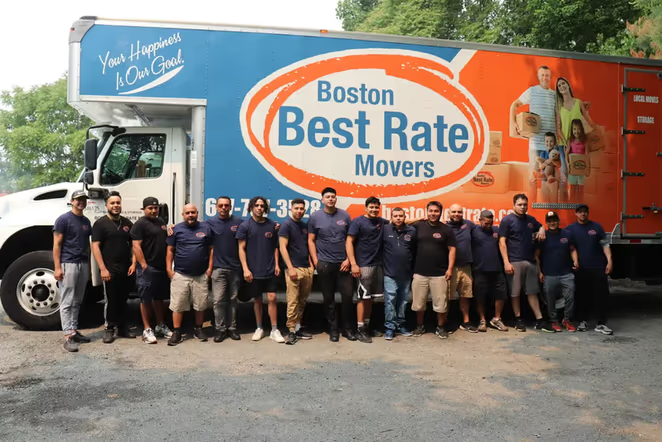
Finally, plan your post-move setup with the heat in mind. If your new apartment does not have central air conditioning, install window AC units or fans before the movers deliver your furniture so the space is livable from the moment boxes start arriving. Nothing demoralizes a tired moving crew — or an exhausted homeowner — faster than unloading into an oven-hot apartment with no relief in sight. If your new home's electricity is not yet active, contact Eversource well in advance to ensure power is on by moving day. Boston Best Rate Movers trains every crew member in heat safety protocols and schedules summer moves with built-in hydration breaks, but your preparation at both the origin and destination makes a measurable difference in how smoothly and safely the day unfolds.

Michael Torres
The Boston Best Rate Movers team shares moving tips, Boston neighborhood guides, and cost-saving strategies drawn from 24+ years and 33,158+ completed moves across Greater Boston.
See All Posts