Dorchester is the largest neighborhood in Boston by both area and population, encompassing dozens of sub-neighborhoods that each have their own distinct character. From the Victorian homes and coffee shops of Savin Hill and Meeting House Hill to the dense Caribbean and Vietnamese communities of Fields Corner and Bowdoin-Geneva, Dorchester is not one neighborhood but many layered together. This diversity is one of its greatest strengths — the food scene alone, driven by Cape Verdean, Haitian, Vietnamese, Jamaican, and Irish-American communities, is more varied and authentic than neighborhoods charging twice the rent. Dorchester has long been misunderstood by outsiders, but those who invest time in exploring it consistently find more community and character than they expected.
Housing Prices and Affordability
Housing affordability is one of Dorchester's most compelling features. One-bedroom apartments can be found for $1,600 to $2,100 in many parts of the neighborhood, while two-bedrooms average $2,100 to $2,700. The triple-decker housing stock that defines Dorchester's residential landscape offers generous room sizes, private porches, and sometimes off-street parking that is rare and valuable in Boston. Gentrification is proceeding unevenly — areas near the Red Line stations at Savin Hill, Fields Corner, Shawmut, Ashmont, and Andrew have seen the most price appreciation, while areas further from transit remain genuinely affordable. For buyers, Dorchester offers some of the last opportunities to purchase a multifamily home in Boston proper at prices below $700,000, though that window is narrowing.
Transit and Moving Logistics
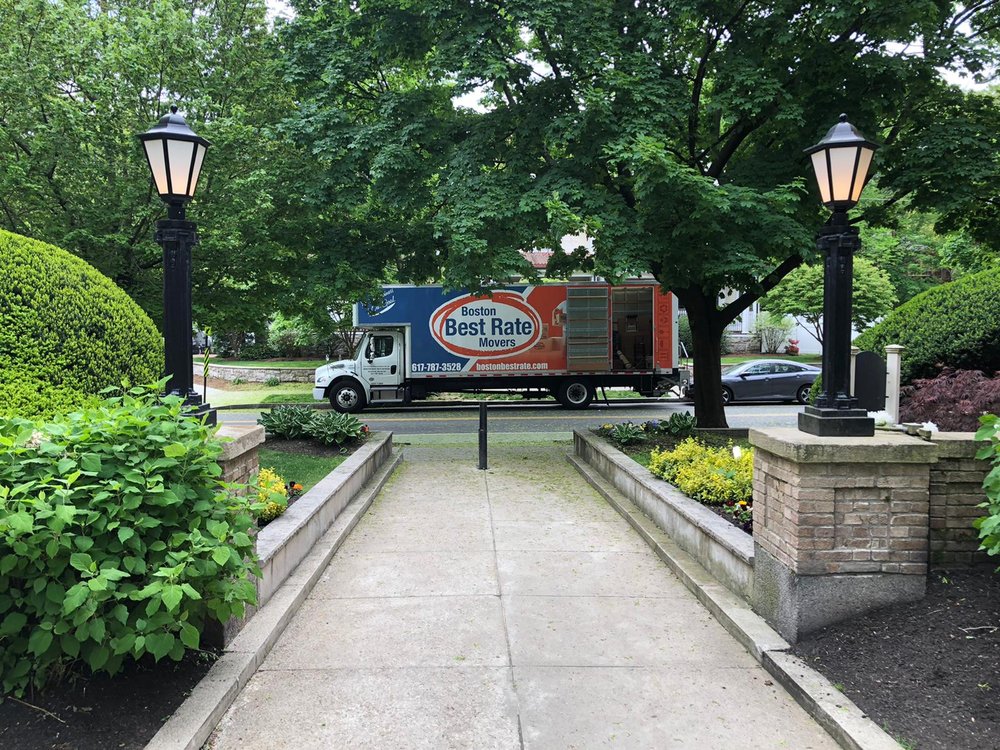
The Red Line's Ashmont branch serves Dorchester with six stations, and the Mattapan Trolley extends further south toward Milton. Multiple MBTA bus routes fill in gaps in service, though some western portions of Dorchester remain underserved by transit. When moving to Dorchester, the logistics depend heavily on which sub-neighborhood you are targeting. Savin Hill's streets can be narrow and hilly, while Columbia Point near UMass Boston has more modern apartment complexes with loading zones. Boston Best Rate Movers serves all areas of Dorchester and can advise on the best approach for your specific location, whether it is a walk-up triple-decker on Bowdoin Street or a ground-floor unit near the Columbia Point development.
Culture, Dining, and Community
Dorchester's cultural institutions are worth knowing before you move. The John F. Kennedy Presidential Library and Museum at Columbia Point is one of Boston's finest museums, offering stunning harbor views alongside a world-class archive. The Strand Theatre on Columbia Road hosts live performances and community events. Pope John Paul II Park along the Neponset River is a beautiful and often uncrowded green space with walking trails and river views. The Ashmont Grill, Dot 2 Dot, and a growing cluster of restaurants near the Red Line stations demonstrate that Dorchester's dining scene is evolving. Community organizations are deeply embedded here — neighborhood associations, youth programs, and civic groups are active in virtually every pocket of this enormous neighborhood.

Michael Torres
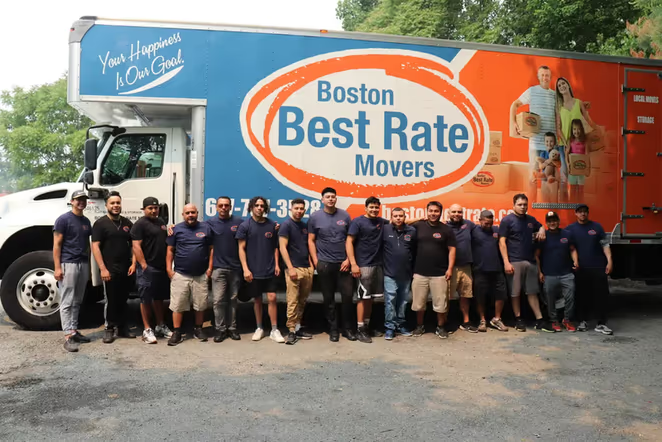
The Boston Best Rate Movers team shares moving tips, Boston neighborhood guides, and cost-saving strategies drawn from 24+ years and 33,158+ completed moves across Greater Boston.
See All Posts