The short answer
Move day, hour by hour: what happens when the crew arrives, your job vs theirs, protecting your home, and what to check before everyone leaves.
You've packed, booked, and planned — now it's move day. Knowing exactly how the day flows takes most of the stress out of it: what happens when the crew arrives, your job versus theirs, the essentials to have ready, how to protect your home, and what to check before everyone leaves. This is the hour-by-hour walkthrough of a professional move day done right.
Before the Crew Arrives
- Finish the last 5%: strip the beds, pack the daily-essentials box, and make sure everything is genuinely boxed — on an hourly move, the crew packing your last drawer is the most expensive packing there is.
- Set aside the "do not load" pile: valuables, documents, medications, chargers, and anything traveling in your car — in one spot, clearly marked, and you'll point it out to the crew (what stays with you).
- Clear the paths and secure parking: the permit space reserved, walkways clear, elevators booked.
- Plan for kids and pets: ideally off-site or in a closed, labeled safe room (kids, pets).
- Have water ready for the crew — and cash if you plan to tip.
When the Crew Arrives: The Walkthrough
A professional move starts with a walkthrough. The crew lead introduces the team, you tour the home together, and you flag: what's going and what's staying, fragile and high-value items, anything needing special care, and the "do not load" pile. You'll confirm the plan and paperwork (the written estimate, the bill of lading). This five-minute conversation prevents most move-day misunderstandings — point things out now rather than mid-carry.
During the Move: Your Job vs. Theirs
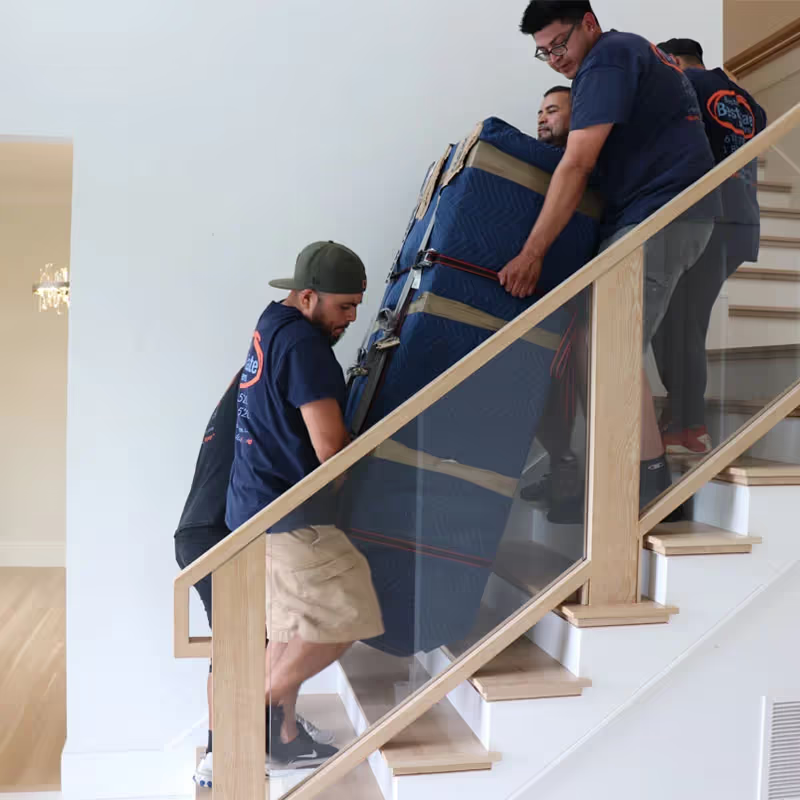
The crew handles the physical work — wrapping furniture, padding doorways and floors, disassembly, loading, and securing the truck. Your job is to be available for questions, not to carry boxes (you're paying for that, and an extra body in the flow actually slows a trained crew). Stay reachable, keep the kids and pets clear, and let the team work their system. If something concerns you, tell the crew lead right away — that's what they're there for.
Protecting Your Home
A good crew protects both properties as standard: floor runners and door mats, padding on banisters and door frames, and careful navigation of tight Boston staircases (no stair fees with us). It's still worth a quick photo record of both homes' condition beforehand — especially for renters protecting a security deposit. If you spot an area you're worried about (a refinished floor, a tight antique doorway), point it out during the walkthrough.
At the New Place
- Direct traffic by label: stand where you can point boxes and furniture to the right rooms — the labeling system pays off here, landing everything in one pass.
- Beds and furniture get reassembled — it's part of the job; tell the crew where things go and they'll place (and re-place) them.
- Check your inventory as items come off, especially on a long-distance or storage move.
- Do a final truck check with the crew lead — make sure nothing's left in the corners.
Before Everyone Leaves
Walk both the truck and the old home one last time (closets, cabinets, behind doors, the basement — the classic forgotten spots). Confirm furniture placement so you're not moving heavy pieces yourself later. Note any damage on the paperwork before signing (why this matters for claims). Settle payment, tip if the crew earned it, and you're done. Then comes the unpacking — but that's at your pace, not the clock's.
How Long Will It Take?
Realistic ranges for a prepared home: studio/1-bedroom 3–4 hours, 2-bedroom 4–6, 3-bedroom 6–8, larger homes 8–10 — plus travel time, quoted up front. Stairs, parking distance, and how packed you are move these up or down. The biggest variable you control is preparation, which is why "be genuinely ready" is the theme of every move-day tip.
Move Day FAQ
What time do movers usually arrive?
Morning starts are standard and preferred — they give the full day and beat traffic and heat. You'll get an arrival window when you book; first slots are the most reliable.
Should I help the movers carry things?
No — you're paying for a trained crew, and an extra person in the flow slows their system. Be available for questions instead.
What do I do if something gets damaged?
Note it on the paperwork before the crew leaves and photograph it — that documentation drives any claim under your coverage.
Do I need to tip, and how much?
Tipping isn't required but is appreciated for good work — typical ranges and etiquette are in how to tip your movers.
Want a move day that runs exactly like this? Get a free quote — a professional crew, a clear plan, and no surprises. 1,244+ Google reviews, 33,000+ moves since 2002.
Find our moving guides faster on Google
Add Boston Best Rate Movers as a preferred source and Google shows our answers first when you search — including in AI Mode.

Boston Best Rate Movers
The Boston Best Rate Movers team shares moving tips, Boston neighborhood guides, and cost-saving strategies drawn from 24+ years and 43,126+ completed moves across Greater Boston.
See All Posts.avif)