Moving during a Boston winter is not for the faint of heart, but thousands of residents do it every year — and many discover that it comes with surprising advantages alongside the obvious challenges. Lower demand means easier scheduling, often better rates from moving companies, and less competition for parking and building elevator time. The trade-off is that you need to prepare for snow, ice, freezing temperatures, and shorter daylight hours. With the right planning and a professional crew that knows how to handle cold-weather moves, a winter relocation in Boston can be just as smooth as a summer one — and in some ways even smoother.
Preparation starts well before moving day. Monitor the weather forecast during the week leading up to your move and have a contingency plan in case a major storm hits. Most moving companies, including Boston Best Rate Movers, will work with you to reschedule at no charge if a nor'easter or blizzard makes travel unsafe. Clear all walkways, stairs, and driveways of snow and ice at both your old and new addresses the morning of the move. Apply salt or sand liberally, paying special attention to shaded areas that stay icy throughout the day. If you live in a building, coordinate with the landlord or property manager to ensure common areas are treated. Wet, slippery stairs are the number one hazard during winter moves, and preventing falls protects both you and the moving crew.
Protecting your belongings from moisture is critical in winter. Snow tracked in on boots, wet moving blankets, and condensation from temperature changes can all damage furniture, electronics, and cardboard boxes. Use plastic bins instead of cardboard for items especially sensitive to moisture. Wrap upholstered furniture in plastic stretch wrap before carrying it through snow. Lay tarps or heavy-duty plastic sheeting along pathways from the truck to the door to create a dry lane. If moving electronics, let them acclimate to room temperature before plugging them in — the shift from a cold truck to a warm apartment can cause condensation inside devices, which can short-circuit them. A thirty-minute warm-up period is usually sufficient.
Daylight is limited during Boston winters, with sunset arriving as early as four-fifteen in December and January. Schedule your move to start as early as possible so the crew has maximum daylight for the heaviest work. If the move extends into darkness, ensure the pathways between the truck and both buildings are well-lit. Portable LED work lights are inexpensive and can illuminate stairwells, walkways, and truck interiors. Inform your moving company about any outdoor lighting limitations so they can bring their own equipment. Working in the dark increases the risk of trips, drops, and missed steps, so good lighting is not a nice-to-have — it is a safety essential.
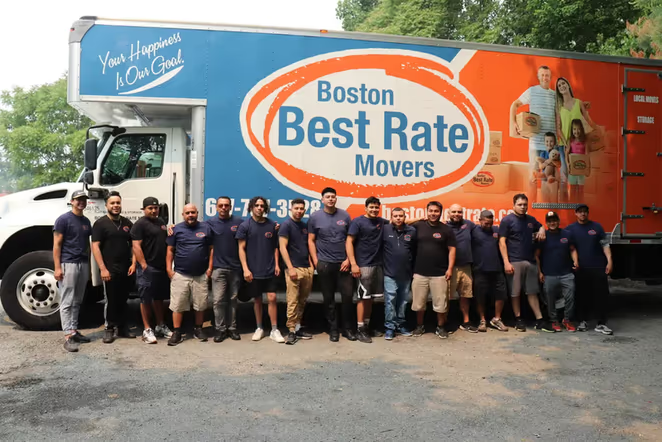
Dressing appropriately sounds obvious but deserves emphasis. Even if you are not doing the heavy lifting, you will spend time outdoors directing the crew, supervising loading, and moving between your old and new homes. Wear layers you can add or remove as your activity level changes. Waterproof boots with good traction are essential. Keep warm beverages available for yourself and the crew — coffee, tea, or hot chocolate goes a long way toward maintaining morale and energy on a cold day. If you have hired Boston Best Rate Movers, the crew will arrive equipped for winter conditions with appropriate footwear, gloves, and experience managing cold-weather logistics. Embracing the season rather than fighting it is the key to a successful winter move in Boston, and the money you save on lower moving rates during the off-peak season makes the extra preparation well worth the effort.

Michael Torres
The Boston Best Rate Movers team shares moving tips, Boston neighborhood guides, and cost-saving strategies drawn from 24+ years and 33,158+ completed moves across Greater Boston.
See All Posts