Packing materials eat into moving budgets faster than most Boston residents expect. Between boxes, tape, bubble wrap, packing paper, and specialty containers, a two-bedroom apartment can easily rack up $200 to $400 in supply costs — money that could be better spent on a nicer dinner in the North End after move-in. The trick is not to sacrifice protection for savings but rather to rethink what qualifies as packing material in the first place. Almost every household already contains dozens of items that double as excellent cushioning, wrapping, and containment tools. By thinking creatively and planning a few weeks ahead, you can cut your packing material spending in half or more without compromising the safety of a single plate or picture frame.
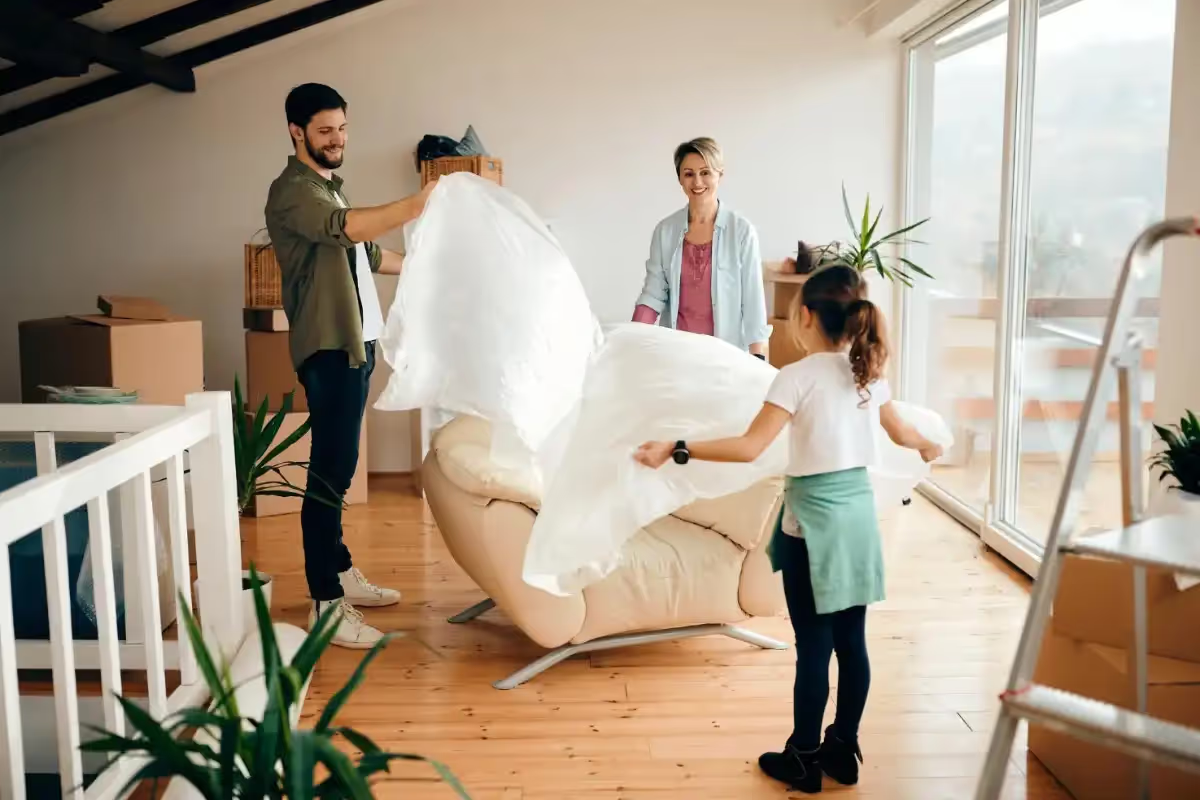
Start by auditing the soft goods you already own. Bath towels, hand towels, washcloths, dish towels, cloth napkins, bedsheets, pillowcases, blankets, and seasonal clothing all serve as world-class padding. Wrap dinner plates in dish towels and stand them vertically in a small box with socks stuffed into the gaps. Nestle wine glasses inside thick winter socks for a snug, shock-absorbing fit. Use pillowcases to cover lampshades and protect them from scuffs. Stuff throw pillows and comforters around the edges of boxes to eliminate voids where items could shift. This method costs nothing, reduces your total box count because the soft goods ride along with the fragile items, and keeps everything secure during transit across Boston's notoriously bumpy roads.
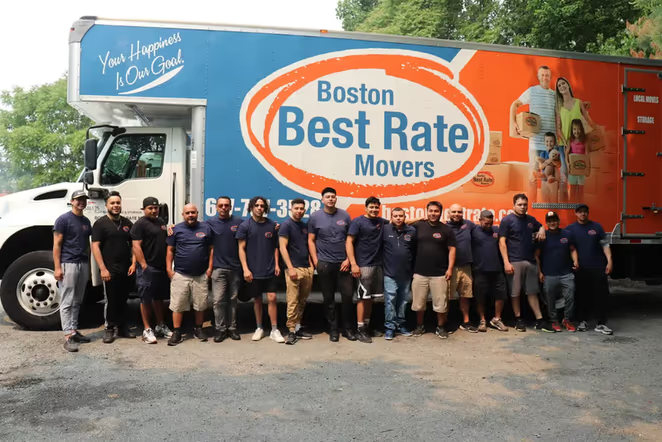
For items that truly need bubble wrap or packing paper — think mirrors, framed artwork, crystal, and electronics — buy in bulk rather than grabbing individual rolls. A 700-foot perforated roll of bubble wrap on Amazon costs roughly the same as three 30-foot rolls from a retail store, and it will cover an entire apartment with material to spare. Unprinted newsprint paper, sold in 25-pound bundles at U-Haul and moving supply stores, is cheaper per sheet than branded packing paper and works just as well. Avoid using printed newspaper because the ink transfers onto dishes and fabric. If you only need a small amount of specialty padding, ask your local Boston Best Rate Movers crew — we often have leftover materials from previous jobs that we are happy to share with clients at no extra charge.
Community sourcing is another powerful strategy in a densely populated city like Boston. Post a request in your neighborhood's Buy Nothing Facebook group, your building's group chat, or on Nextdoor a few weeks before your move. You will be surprised how many people have a garage full of clean boxes and half-used rolls of tape from their own recent move. Allston, Brighton, and Cambridge are particularly generous with free supplies due to the constant flow of students and young professionals moving in and out. The Allston Christmas phenomenon every September first floods sidewalks with discarded furniture and boxes — arrive early and you can stock up on everything you need for free.
Lastly, think about material reuse after your move. Flatten any cardboard boxes and post them online for the next person moving in your area. Return reusable plastic crates to the rental company. Save bubble wrap and packing paper in a labeled bin for future use — whether for shipping holiday gifts, storing seasonal decorations, or your next move. Sustainable sourcing and smart reuse not only lower your costs today but create a cycle of savings that benefits the entire Boston moving community. Pair these strategies with a free estimate from Boston Best Rate Movers, and you will have a clear picture of exactly what you need to spend — and where you can cut corners safely.

Michael Torres
The Boston Best Rate Movers team shares moving tips, Boston neighborhood guides, and cost-saving strategies drawn from 24+ years and 33,158+ completed moves across Greater Boston.
See All Posts