Boston is one of America's oldest cities, and its historic districts come with specific regulations that directly affect moving logistics. If you are relocating to or from neighborhoods like Beacon Hill, the North End, Back Bay, or the Freedom Trail corridor, you need to understand the rules before your moving truck arrives. The Boston Landmarks Commission and the Massachusetts Historical Commission oversee protections for designated historic buildings and districts, and violations can result in fines that add unexpected costs to your move.
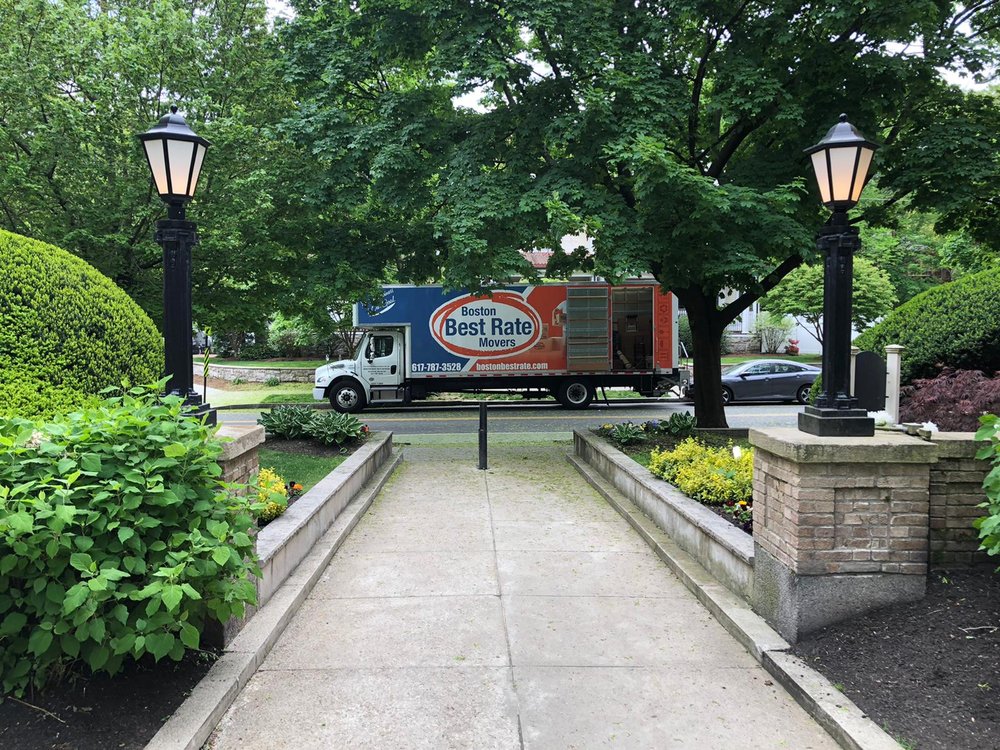
Parking permits are essential for any move in Boston, but they become even more critical near historic sites. The city requires a temporary moving permit from the Boston Transportation Department, which reserves curb space for your moving truck. Near historic areas, you may face additional restrictions on truck size. Many streets in Beacon Hill and the North End are narrow, cobblestoned, and were designed centuries before modern moving trucks existed. Oversized vehicles may be prohibited entirely on certain blocks, requiring the moving crew to use smaller trucks or shuttle items from a staging area on a wider street nearby.
Time restrictions are another consideration. Some historic districts limit commercial vehicle access to specific hours to minimize disruption to residents and tourists. The Freedom Trail sees heavy foot traffic during tourist season, and moves near those areas may need to be scheduled during early morning hours. If your building is on the National Register of Historic Places, there may be rules about how items are carried through common areas to prevent damage to original architectural features like banisters, moldings, and flooring.
Building management in historic properties often has its own set of requirements. Many historic buildings have freight elevators with weight limits, narrow stairwells, and restrictions on the use of dollies and carts on original hardwood floors. Floor runners and padding for banisters and door frames are not optional in these buildings — they are typically required. Your moving company must be prepared with protective materials and should conduct a walkthrough before moving day to identify any potential issues with access points and building rules.
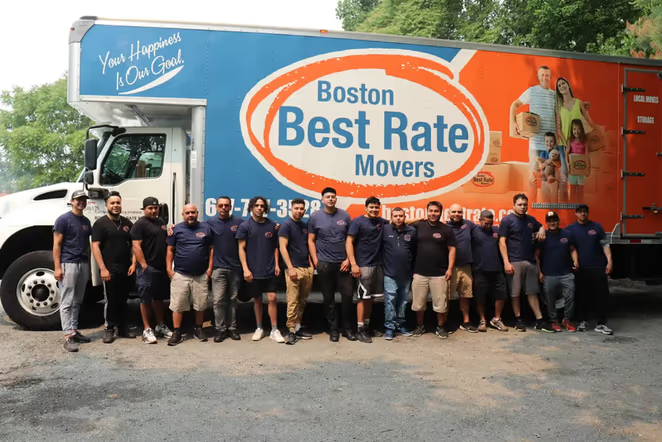
Boston Best Rate Movers has extensive experience navigating the unique challenges of historic Boston neighborhoods. Our team is familiar with the permit processes, truck size limitations, and building-specific rules throughout the city's historic districts. We handle the parking permit application on your behalf and plan our truck routing based on street width and access restrictions. Our crews carry floor runners, banister pads, and door frame protectors on every job, but we pay extra attention to these safeguards in historic buildings where original materials are irreplaceable. Planning ahead with a moving company that knows Boston's history ensures your move goes smoothly without any regulatory surprises.

Michael Torres
The Boston Best Rate Movers team shares moving tips, Boston neighborhood guides, and cost-saving strategies drawn from 24+ years and 33,158+ completed moves across Greater Boston.
See All Posts