Antique and vintage furniture occupies a unique position in the moving world: it combines the physical challenges of heavy, awkward furniture with the fragility concerns of fine art and the irreplaceable nature of one-of-a-kind items. A chip in a standard IKEA table is a minor annoyance. The same chip in an 18th-century Boston highboy is potentially a significant financial loss and certainly a loss that cannot be undone. If you own antiques, heirlooms, or valuable vintage pieces, the extra care required to move them safely is not optional — it is the price of protecting objects that, in many cases, have survived for generations and deserve to survive your move as well.
The first step in moving antiques is documentation. Before any piece is moved, photograph it thoroughly from multiple angles in good light. Capture any existing damage — scratches, cracks, repairs, veneer lifts — so that if damage occurs during the move, the pre-existing condition is clearly documented. For items of significant financial value, consider having them appraised before the move and ensure your homeowner's or renter's insurance policy covers them at replacement value. Standard mover's liability (60 cents per pound) is completely inadequate for antiques; look for a moving company that offers full-value protection or purchase a separate fine arts moving rider through your insurance provider.
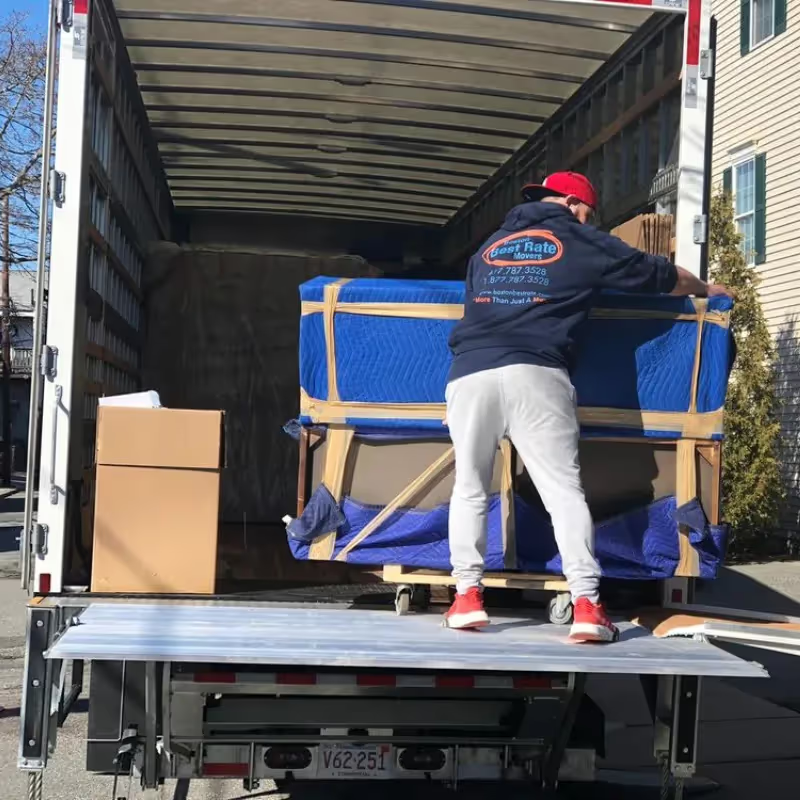
Professional antique movers use a different set of materials and techniques than general household movers. Furniture is wrapped in glassine or acid-free tissue paper before any blanket or foam comes into contact with it, because the dyes and chemicals in standard moving materials can transfer to finished wood surfaces and delicate fabrics. Drawer hardware is wrapped separately or removed entirely to prevent it from shifting and scratching the interior during transport. Upholstered antique pieces are wrapped in breathable materials rather than plastic sheeting, which can trap moisture and cause mildew in fabric or natural fibers. Climate-controlled vehicles are used for particularly sensitive items, including pieces with inlay, marquetry, or gilded surfaces that are sensitive to temperature and humidity fluctuations.
At Boston Best Rate Movers, our crew handles antiques with the kind of methodical care that these items deserve. We recommend that clients identify their most valuable and fragile pieces before our arrival so we can allocate extra time and materials for their preparation. For particularly rare or high-value pieces — museum-quality antiques, significant paintings, or sculpture — we may recommend engaging a specialist fine arts moving company that focuses exclusively on this category. The cost is higher, but for items of genuine historical or monetary significance, the expertise and specialized equipment are worth it. The goal is always the same: for your antiques to arrive in your new home in exactly the same condition they left the old one.

Michael Torres
The Boston Best Rate Movers team shares moving tips, Boston neighborhood guides, and cost-saving strategies drawn from 24+ years and 33,158+ completed moves across Greater Boston.
See All Posts