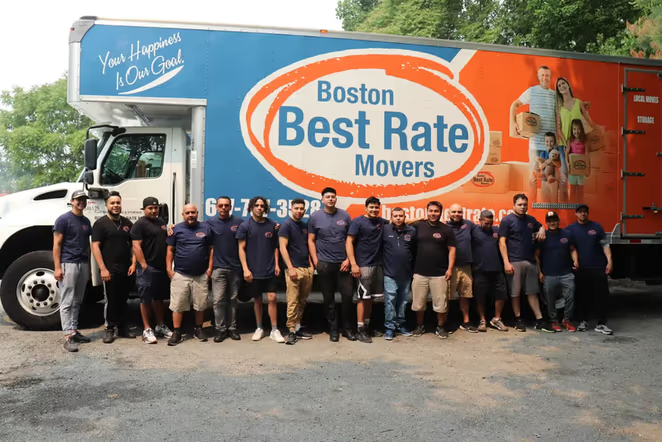
Renting a moving truck in Boston requires more forethought than in most other cities. Between the narrow Colonial-era streets, limited parking, aggressive traffic, and the sheer density of the metro area, choosing the wrong truck or skipping key preparations can turn your moving day into a nightmare. The first decision is whether you truly need a rental truck at all. If your move is local and you have a moderate amount of belongings, hiring a full-service moving company like Boston Best Rate Movers often costs less than you would expect once you factor in truck rental fees, fuel, insurance, equipment rentals, and the value of your own time and labor. But if you prefer the DIY route, here is how to find the right fit for a Boston move.
Truck rental companies in the Boston area include national chains like U-Haul, Penske, and Budget, as well as several local options. Prices vary significantly based on truck size, rental duration, mileage allowance, and the time of year. Boston's September first moving rush drives rental prices to their peak, so booking early is critical if your move falls near that date. When comparing quotes, look beyond the base rental rate — ask about mileage charges, fuel policies, environmental fees, insurance options, and equipment add-ons like dollies, furniture pads, and ramps. A rental that looks cheap at first glance can end up costing hundreds more once all the extras are added. Get the total out-the-door price in writing before committing.
Insurance is a topic many renters overlook until it is too late. Your personal auto insurance may or may not cover a rental truck — call your agent to check before moving day. Credit card rental coverage often excludes trucks over a certain size. The rental company will offer their own collision damage waiver and supplemental liability coverage, which typically adds twenty to forty dollars per day. While it feels like an unnecessary expense, a single fender-bender on Storrow Drive or a scrape against a tight corner in Charlestown can cost thousands in out-of-pocket repairs if you are not covered. Evaluate your risk tolerance and make an informed decision about coverage before you sign the rental agreement.
One of the most Boston-specific challenges of truck rental is parking. You will almost certainly need a City of Boston moving permit to reserve curbside space at your origin and destination addresses. The permit costs twenty-five dollars per day, per address, and must be requested at least two business days in advance through the city's online portal. Without a permit, you risk circling the block endlessly or double-parking and getting ticketed. If your new neighborhood has resident-only parking, the permit is the only legal way to hold space for a truck. Place temporary no-parking signs in the reserved spots the day before your move and be prepared to politely ask neighbors to move their cars if they park in the signed area.
Driving a moving truck through Boston is a skill unto itself. Many streets are one-way, rotaries can be confusing, and the roads around Back Bay and the Seaport were not designed for large vehicles. Avoid Storrow Drive entirely — the low overpasses have famously sheared the tops off countless moving trucks over the decades. Program your GPS to avoid parkways and low-clearance routes. If possible, do a dry run of the route in your regular car to identify tricky spots. Leave extra time for traffic, especially if your move takes you through downtown or across the Charles River during rush hour. With proper preparation and a well-chosen truck, a self-move through Boston is entirely manageable, but going in unprepared is a recipe for stress, delays, and costly mistakes.

Michael Torres
The Boston Best Rate Movers team shares moving tips, Boston neighborhood guides, and cost-saving strategies drawn from 24+ years and 33,158+ completed moves across Greater Boston.
See All Posts