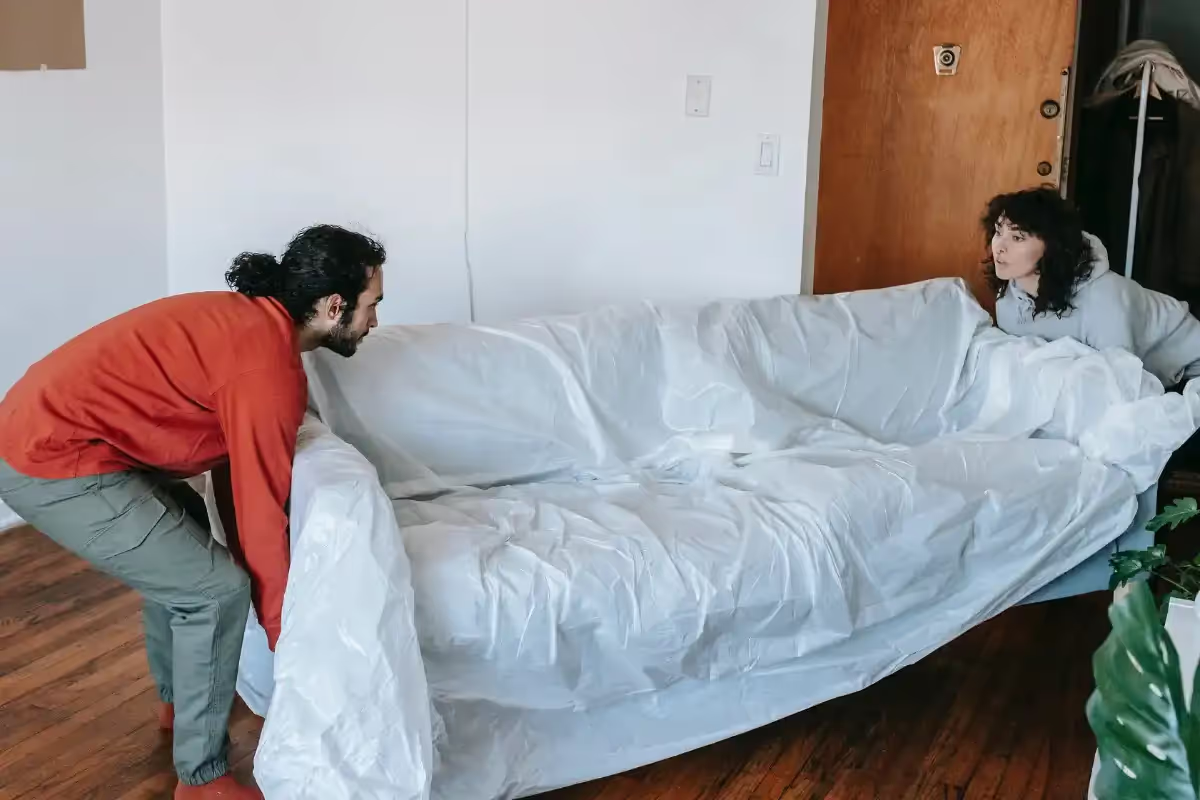
Couches are one of the most difficult items to move because they combine significant weight with an awkward shape that rarely cooperates with standard doorways, hallways, and staircases. A typical three-seat sofa weighs between 150 and 250 pounds and measures seven to eight feet long, which means it will not simply slide out the front door and into a truck without some strategic maneuvering. In Boston's older housing stock, where doorframes can be as narrow as 28 inches and hallways barely accommodate two people walking side by side, moving a couch often feels like solving a three-dimensional puzzle while carrying something that weighs more than you do.
Before moving day, measure your couch in every dimension — length, width, height, and diagonal — and compare those measurements against every opening along the path from its current location to the truck, and from the truck to its position in the new home. Measure doorways, hallway widths, stairwell widths, ceiling heights at stairs, and turning radiuses at every corner and landing. If the numbers are tight, determine whether removing the couch legs, feet, or detachable arms will provide the extra inches you need. Many modern sofas have legs that simply unscrew, and removing them can reduce the height by four to six inches, which is often the difference between fitting through a doorway and not.
When the time comes to move the couch, wrap it completely in moving blankets or furniture pads to protect both the upholstery and the walls and doorframes along your path. Secure the blankets with stretch wrap so they stay in place during transport. If the couch needs to go through a tight doorway, the standard technique is to stand it on end and feed it through vertically, then tilt it back to horizontal once through. For L-shaped hallways and tight stairwell turns, you may need to tilt the couch at an angle, rotating it as you navigate the corner — a maneuver that works best with at least two people communicating constantly about their next move.
Stairs present the greatest challenge for couch moving. Always carry the couch with the heaviest end going upstairs first, positioning the stronger person at the bottom where the load is greatest. Use furniture straps to distribute weight to your legs rather than your back. Move one step at a time, pausing on each landing to rest and readjust your grip. If the stairwell is too narrow for the couch to pass through at any angle, you may need to consider hoisting it through a window — a technique that is surprisingly common in Boston and typically requires professional equipment and experience to execute safely.
Knowing when to call professionals can save you from a frustrating and potentially dangerous experience. If your couch is particularly heavy, your path involves more than one flight of stairs, or the measurements are extremely tight, a professional moving crew will have the experience and equipment to get the job done safely and efficiently. Boston Best Rate Movers moves couches through Boston's most challenging buildings every week, and our teams have developed techniques for navigating the specific layouts found in Back Bay walk-ups, Charlestown row houses, and Cambridge triple-deckers. We carry furniture dollies, moving straps, floor runners, and hoisting equipment so we are prepared for whatever your building throws at us.

Michael Torres
The Boston Best Rate Movers team shares moving tips, Boston neighborhood guides, and cost-saving strategies drawn from 24+ years and 33,158+ completed moves across Greater Boston.
See All Posts